How to Find Open Ports on Your Website
Open ports are one of the most common attack vectors. Learn how to detect, audit, and close ports that expose your server to risk.
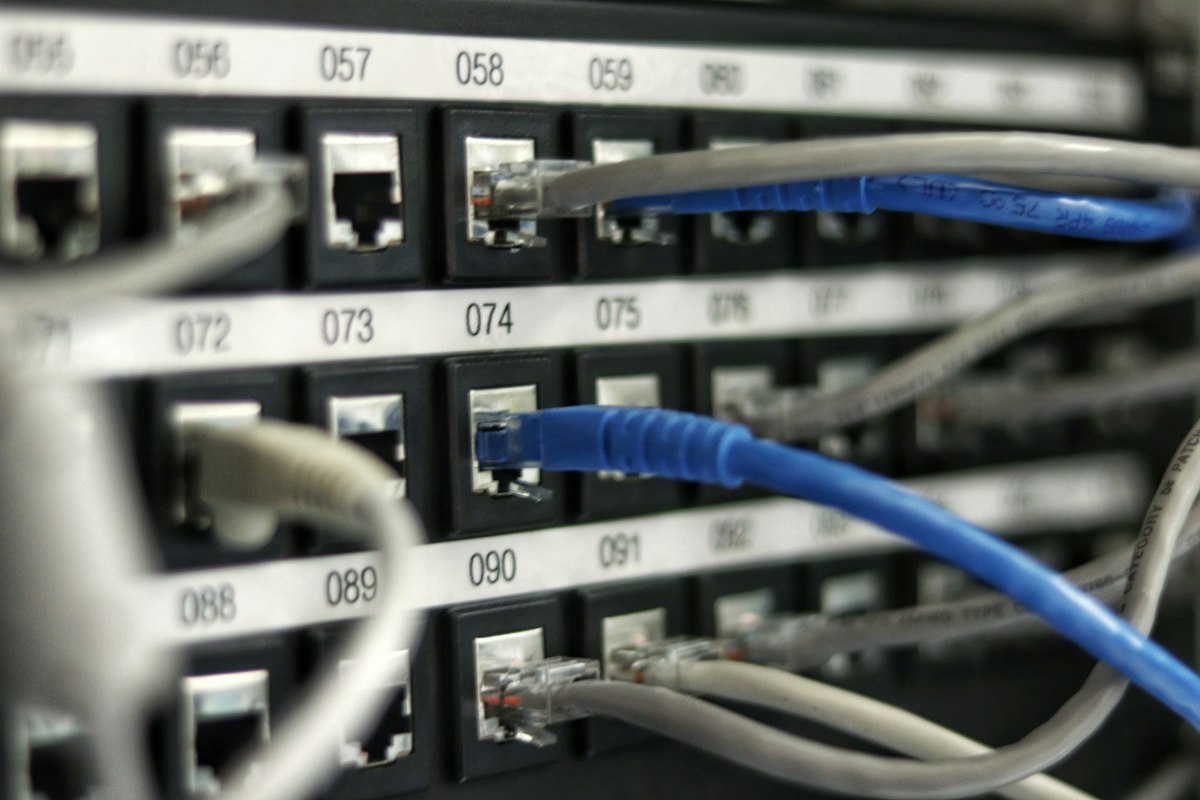
What Are Open Ports and Why Do They Matter?
Every service running on your server listens on a port — a numbered channel through which network traffic flows. Port 80 for HTTP, 443 for HTTPS, 22 for SSH. When a port is open, it means a service is actively listening for connections on that port.
The problem: every open port is a potential entry point for attackers. If a service is misconfigured, outdated, or running with default credentials, an open port becomes an open door.
Ports That Should Never Be Publicly Exposed
Database directly accessible from internet. Any credentials leak = full data breach.
Same as MySQL. Never expose database ports publicly.
Historically misconfigured with no auth. Billions of records leaked this way.
Default install has no password. Exposed Redis = remote code execution.
Should be restricted to specific IPs or use key-only auth. Never password auth publicly.
Development servers accidentally left running in production.
Unencrypted file transfer. Use SFTP instead.
How to Scan for Open Ports
There are several ways to check which ports are exposed on your server:
nmap -sV -p 1-65535 yourdomain.comThe industry standard port scanner. Shows open ports and the service version running on each.
Enter your domain and click Scan NowRuns nmap automatically and shows results with severity ratings and remediation steps. No setup required.
How to Close Unnecessary Ports
sudo ss -tlnp | grep :[PORT]sudo systemctl stop [service] && sudo systemctl disable [service]sudo ufw deny [PORT]nmap -p [PORT] yourdomain.comPort Security Checklist
Scan your open ports now
ScanYour.Site runs a full port scan using nmap and shows you exactly which ports are exposed and what to do about them.
Scan My Site Now